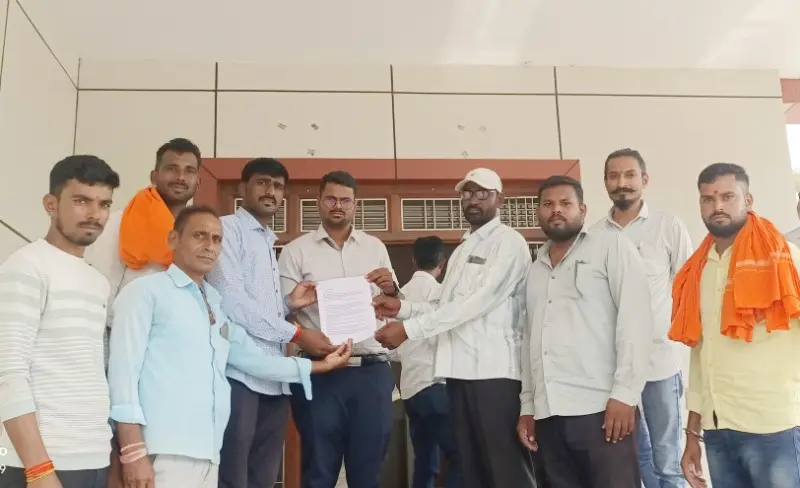




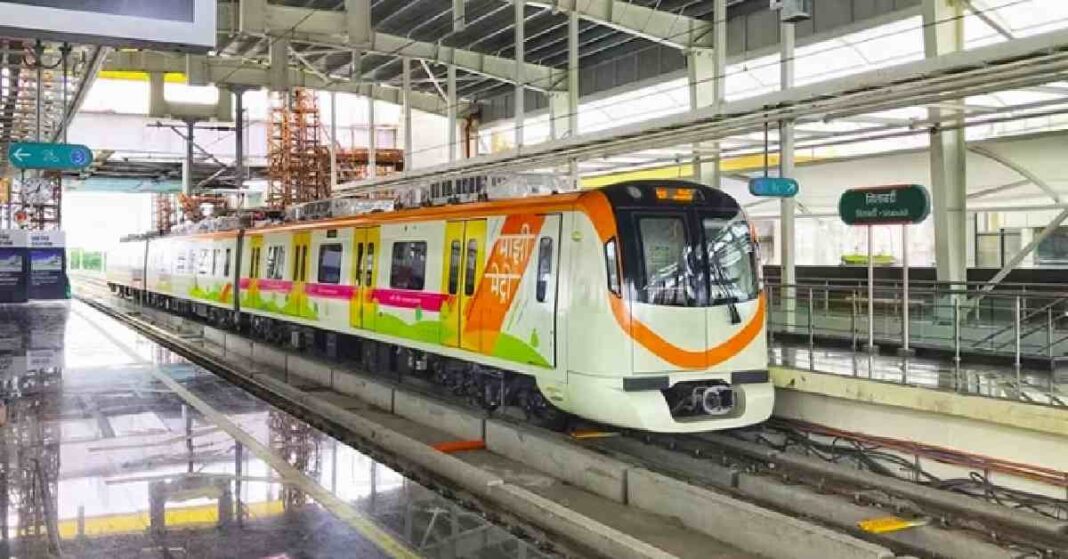

Nagpur :- In a significant step towards promoting sustainable and efficient urban mobility, a large number of students from Jhulelal Institute of Technology (JIT) have come forward to adopt public transport as their preferred mode of commuting following the commencement of the new academic session.
The initiative builds on the positive response received during the Samwad programme conducted jointly during the previous academic session by the Maha Metro MMI Department in collaboration with officials from Chalo and the Nagpur Municipal Corporation (NMC). During the interactive session, students expressed keen interest in shifting from private vehicles to an integrated public transport system.
To facilitate the transition, a special registration and awareness camp was organised at the institute at the beginning of the new academic session. The response from students has been encouraging, with many opting to use city buses and the Metro for their daily commute.

One of the key advantages for JIT students is the availability of an existing city bus route connecting Kasturchand Park Metro Station to the institute. Based on the feedback received during the camp, the Chalo team has assessed the travel requirements of students and has agreed to modify the bus schedule to better align with Metro timings. The revised schedule is expected to enable a larger number of students to conveniently reach Kasturchand Park Metro Station and seamlessly access the existing bus service to the campus.
The management of Jhulelal Institute of Technology has welcomed the initiative and expressed optimism that participation will increase further once the admission process for first-year students is completed. The institute believes that greater adoption of public transport will not only reduce traffic congestion and parking demand but also contribute to a cleaner and more sustainable Nagpur.
NMC officials appreciated the enthusiastic response from the student community and reaffirmed their commitment to working closely with Maha Metro, Chalo, and educational institutions to strengthen first- and last-mile connectivity. Such collaborative initiatives are expected to play an important role in encouraging young commuters to choose safe, affordable, and environmentally friendly public transport options.